Why Does Your Face Keep Changing, Even When Nothing Obvious Happened?
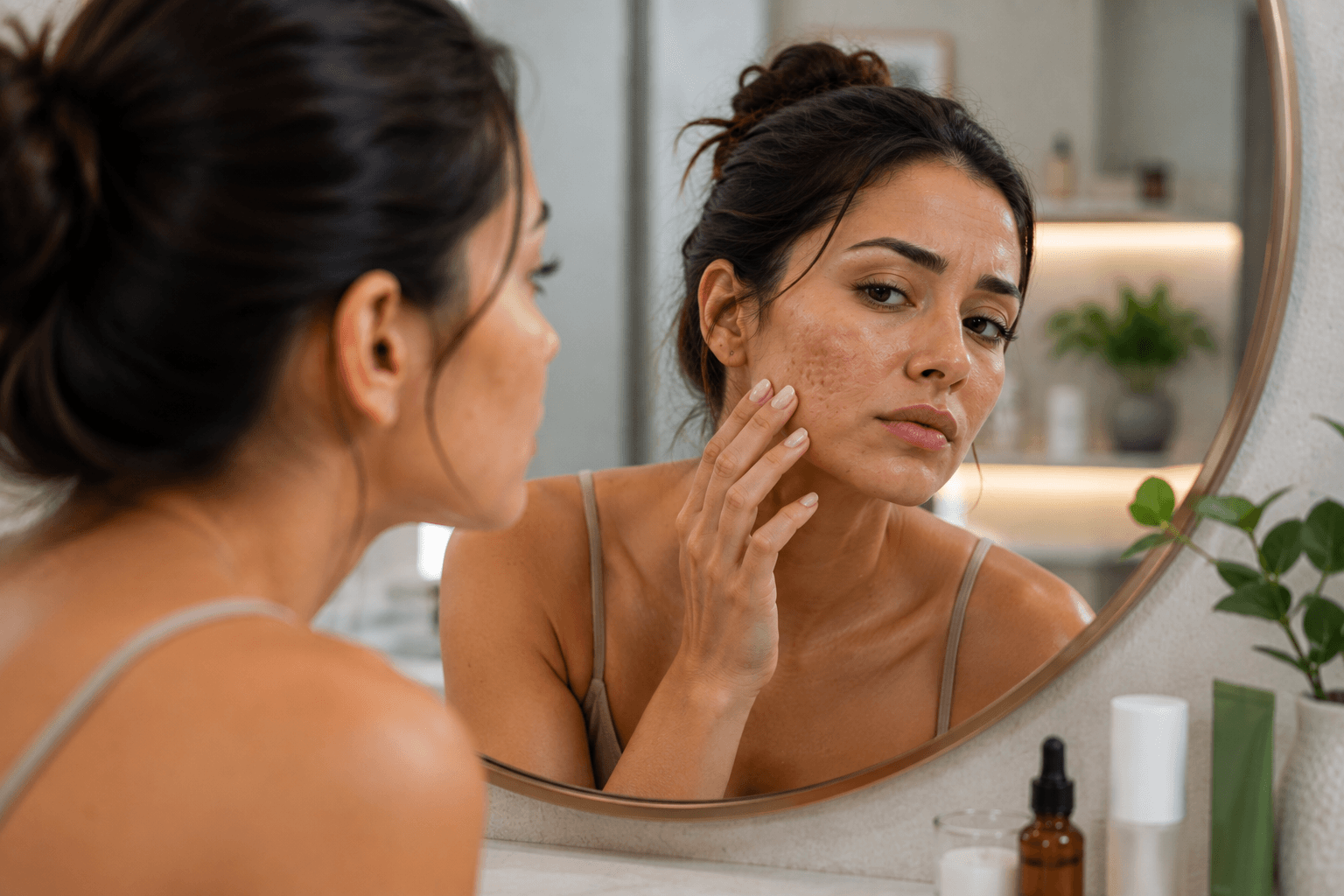
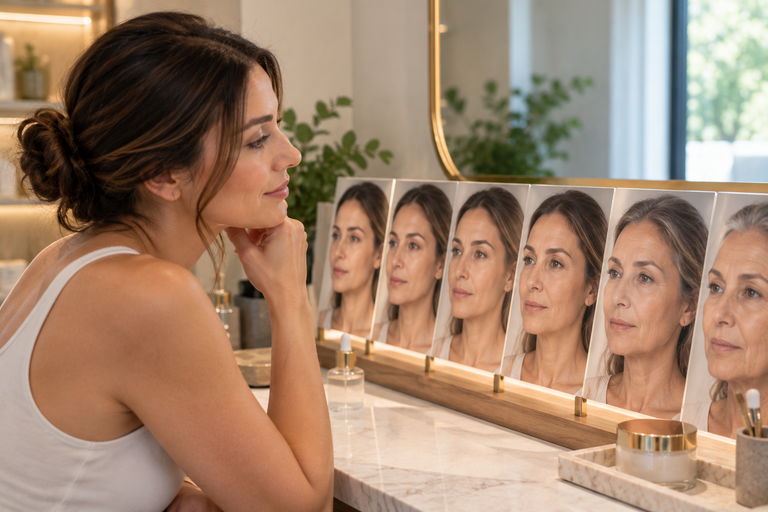
Nobody wakes up one morning with a dramatically different face. That's not how it works, and yet almost everyone has had the experience of looking at a photo from five or ten years ago and being genuinely surprised by the difference. The cheeks sat higher. The jawline had a cleaner edge. Something about the whole face looked more "held up." If you've caught yourself wondering why facial changes for years without any single dramatic event causing it, the answer is more mechanical than most people expect, and understanding it actually makes the whole aging process feel a lot less mysterious.
What's Actually Changing Underneath Your Skin?
Your Bone Structure Is Slowly Remodeling
It sounds strange, but facial bone doesn't stay static throughout adulthood. Areas like the eye sockets, the jawbone, and the cheekbones gradually lose density and volume starting as early as your thirties. This shift in the underlying scaffolding is part of why faces can look like they've "settled" over time, even before skin or fat changes become obvious.
Fat Pads Shift and Shrink, They Don't Just Disappear
Your face has distinct pockets of fat that provide youthful contour, particularly in the cheeks and temples. As you age, these fat pads don't just shrink evenly. Some deflate, some descend lower on the face due to gravity, and some shift position relative to the bone beneath them. That's why volume loss in the cheeks often shows up as a hollowed look in one area and a heavier look near the jawline at the same time.
Skin Loses Structural Support From Collagen and Elastin
Collagen production declines steadily starting in your mid twenties, and elastin, which gives skin its ability to snap back into place, follows a similar decline. Without that support system, skin has less to hold onto as the structures beneath it shift, which is part of why sagging and fine lines tend to accelerate once collagen loss compounds over a decade or more.
Muscle Movement Reinforces Certain Lines Over Time
Repeated facial expressions, whether it's squinting in Florida sun or frowning during a stressful day, create the same folds in the skin thousands of times. Eventually, those folds start to etch into the skin even at rest, which is why certain lines appear gradually rather than overnight.
Why Does This Process Feel Invisible Until It Isn't?
Each of these changes happens at a pace measured in years, not days, which is exactly why it's so hard to notice in real time. Your brain adjusts to your own face gradually, the same way you don't notice your own voice changing slightly over the years. It usually takes an external reference point, an old photo, a side by side comparison, or someone else's observation, to make the cumulative change visible all at once.
This is also why so many people feel blindsided by their own reflection under certain lighting or camera angles. It's not that something suddenly happened. It's that years of gradual, compounding change finally crossed a threshold where it became visible.
How Can You Actually Track These Changes Instead of Just Guessing?
This is where a lot of people get stuck. Without a clear before and after reference, it's genuinely difficult to know whether your face is changing due to volume loss, skin laxity, sun damage, or some combination of all three, and that ambiguity makes it hard to know which treatment would actually help.
At Amani MedSpa, we use Ageless AI, a facial analysis technology that maps specific, measurable signs of aging across your face rather than relying on a general visual impression. It breaks down concerns like volume loss, skin texture, and fine lines into a clearer picture of what's actually happening structurally, which takes a lot of the guesswork out of deciding what to address first. We've written more about how this works specifically for our St. Petersburg clients in Can Ageless AI Match Your Skin Concern in St. Petersburg, Florida?, which walks through the analysis process in more detail.
Rather than starting a conversation with "what treatment do you want," this kind of mapping lets us start with "here's specifically what's changed," which tends to lead to a more accurate and satisfying treatment plan.
What Can Actually Be Done About These Changes?
Restoring Volume Where Fat Pads Have Deflated
Dermal fillers can rebuild lost volume in areas like the cheeks and under-eye hollows, effectively replacing what the natural fat pads used to provide. Our dermal fillers page covers how this is tailored to different areas of facial volume loss.
Stimulating Your Own Collagen Production
Treatments like Sculptra work differently than traditional filler by encouraging your body to gradually rebuild its own collagen over several months, which can address the deeper structural loss rather than just adding surface volume.
Softening Expression Lines Before They Deepen Further
For lines caused by repeated muscle movement, Botox and Dysport relax the specific muscles responsible, which can prevent existing lines from becoming more etched over time.
Supporting Skin Texture and Surface Quality
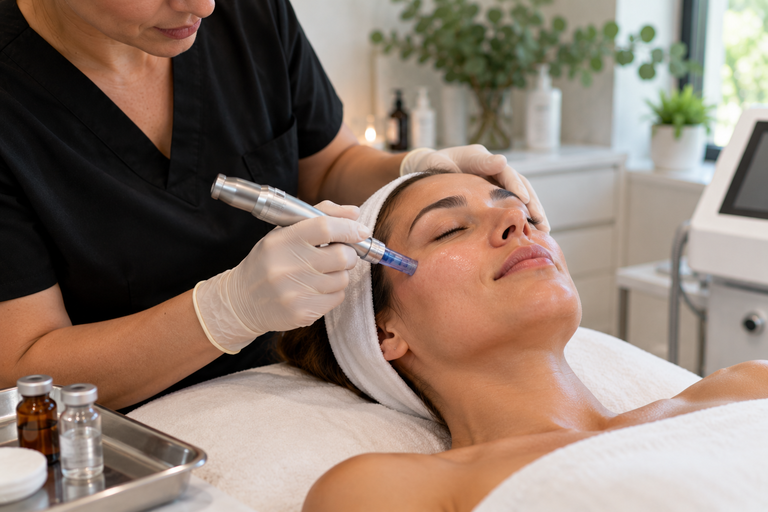
Since skin laxity and texture are part of the overall picture, treatments like microneedling with growth factor help rebuild collagen at the surface level, complementing deeper structural treatments.
When Should You Start Paying Attention to This?
There's a common misconception that facial aging treatment is something to consider only once changes are dramatic. In reality, addressing volume loss, collagen decline, and expression lines earlier tends to require less intervention overall than waiting until the changes are significant. If you've noticed even subtle shifts, whether it's less definition along your jaw or a slightly more tired looking under-eye area, that's a reasonable time to start a conversation, not a reason to wait.
How to Get a Clear Picture of Your Own Facial Aging Timeline
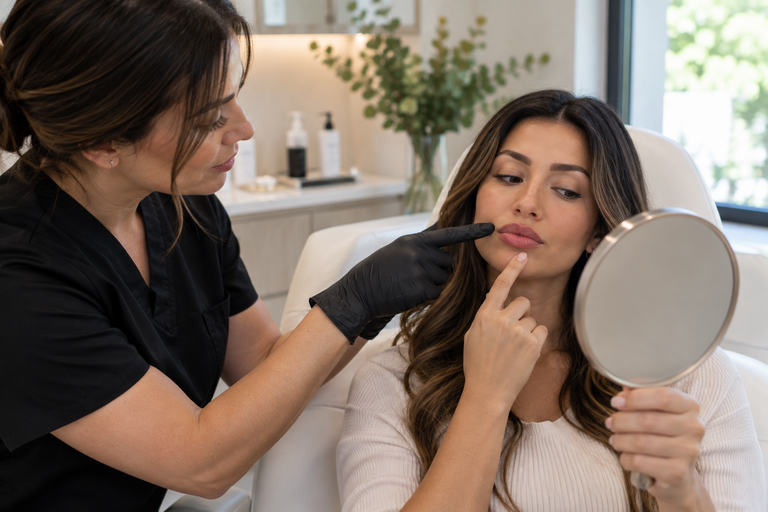
If you're tired of guessing whether what you're seeing is volume loss, sun damage, or just tiredness, an Ageless AI analysis paired with an in person consultation at our St. Petersburg location can give you an actual answer instead of a hunch. From there, we can walk through which combination of treatments realistically addresses what's changed. You can also review our St. Petersburg concerns page to see how these changes are categorized and treated, or go ahead and book a consultation directly.
Your Face Isn't Betraying You, It's Just Following Physics
The reason facial changes accumulate for years without a clear turning point is simple. Bone, fat, skin, and muscle are all shifting on their own separate timelines, and it's the combination of all four, compounding quietly for a decade or more, that eventually becomes visible. None of that means the changes are out of your control. With the right combination of mapping and treatment, you can actually address the specific structural shifts happening in your face instead of guessing at a generic anti-aging routine.
This guide was updated in August 2026 to reflect current facial aging science and analysis tools available in St. Petersburg, Florida.
Frequently Asked Questions
At what age do facial aging changes typically start becoming noticeable? Most people begin noticing subtle changes in their thirties, though the underlying collagen decline and bone remodeling actually begin years earlier.
Is facial aging mostly about the skin, or is it deeper than that? It's deeper than most people assume. Bone density, fat pad position, and muscle movement all play a significant role alongside skin quality.
What is Ageless AI and how does it help identify facial changes? Ageless AI is a facial analysis tool that maps specific signs of aging like volume loss and texture change, giving a clearer, more measurable picture than a visual assessment alone.
Can facial aging changes be reversed, or only slowed down? Many changes, like volume loss, can be meaningfully addressed with treatments like dermal fillers or Sculptra, which restore what's been lost rather than simply preventing further change.
Do I need multiple treatments to address facial aging, or just one? It depends on what's changed. Since aging affects bone, fat, skin, and muscle differently, a combination approach is often more effective than relying on a single treatment type.