Why Won't Your Acne Scars or Rough Texture Just Go Away? Here's What's Actually Happening
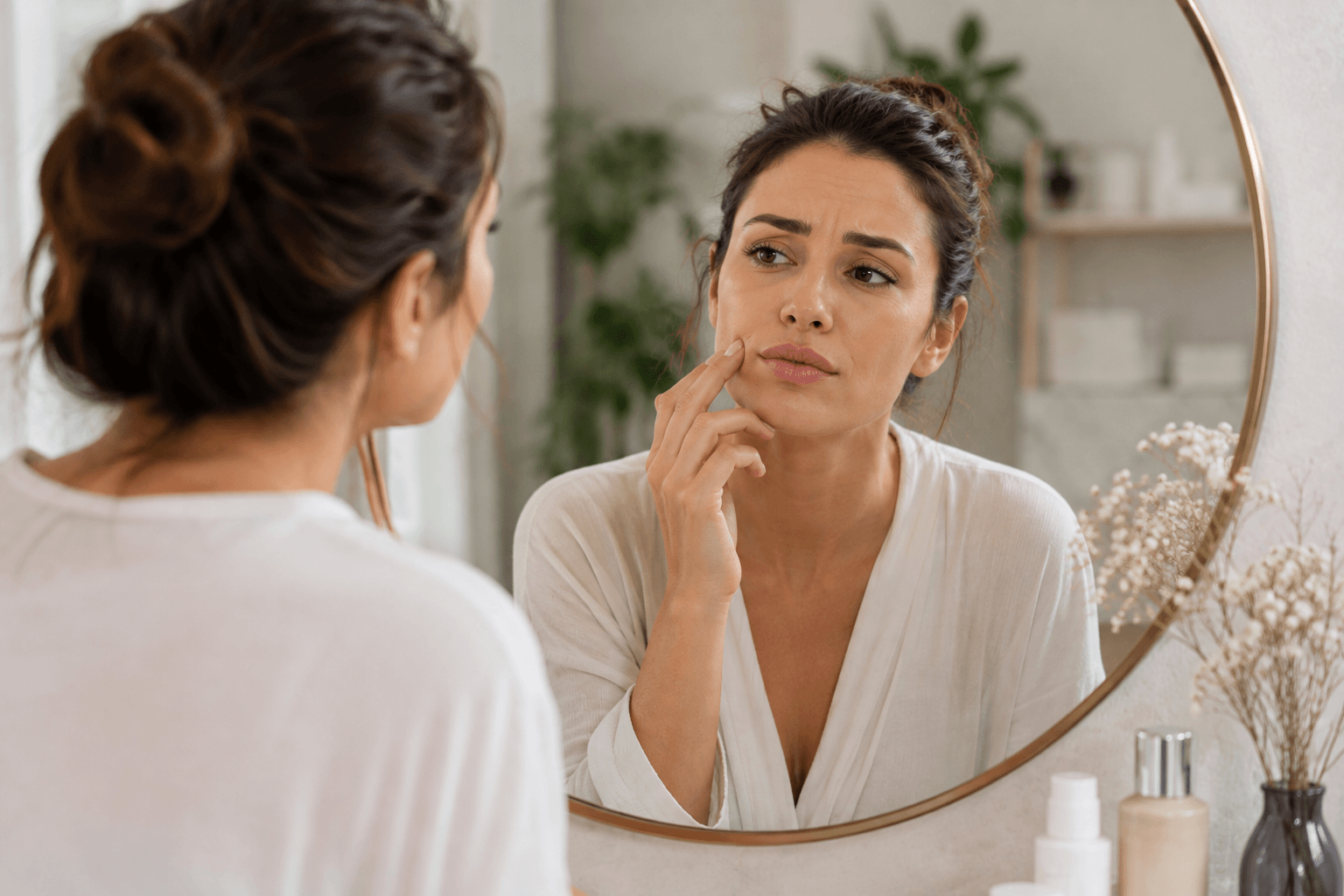
If you've spent years trying serums, retinoids, and the occasional facial to smooth out acne scarring or improve skin that just feels rougher than it used to, you already know the frustrating truth: topical products can only do so much. Scar tissue and sun damaged texture sit below the surface, in the deeper layers of skin, and no amount of moisturizer is going to reach that far down.
This is usually the point where people start researching microneedling with growth factor, and for good reason. It's one of the few treatments designed specifically to work at the depth where these concerns actually live.
What's Actually Causing That Rough or Scarred Texture?
Acne Scarring Changes the Structure of Your Skin
When a breakout is deep or inflamed enough, it damages the collagen and elastin framework beneath the surface as it heals. The skin repairs itself, but often unevenly, creating the depressed or textured appearance associated with acne scarring. This isn't something that improves with time alone once the scar has fully formed.
Sun Exposure Breaks Down Collagen Gradually
Living somewhere with as much sunshine as St. Petersburg comes with a cost to skin structure. UV exposure accelerates the breakdown of collagen and elastin, which shows up over time as rougher texture, enlarged looking pores, and a duller overall surface, even in people who are diligent about sunscreen.
Natural Collagen Production Slows With Age
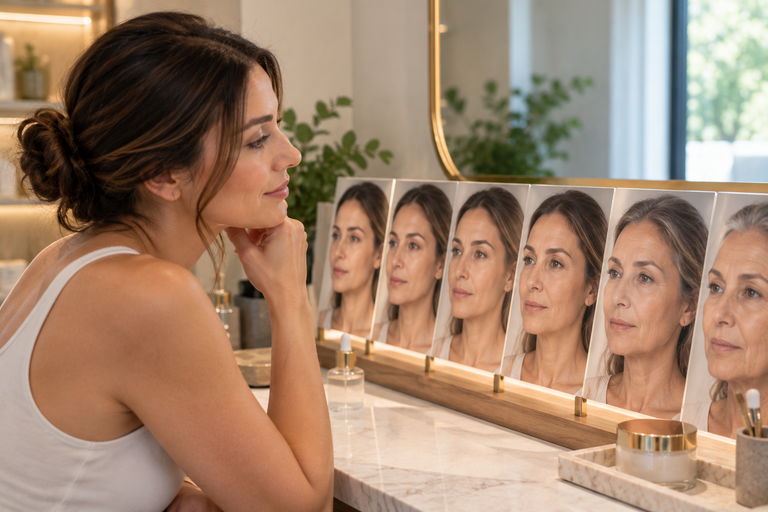
Collagen output starts declining gradually in your mid twenties and continues from there. As it slows, skin loses some of its ability to smooth and renew itself, which makes existing texture issues more noticeable and new ones easier to develop.
How Does Microneedling With Growth Factor Actually Help?
Microneedling Creates Controlled Micro-Injuries
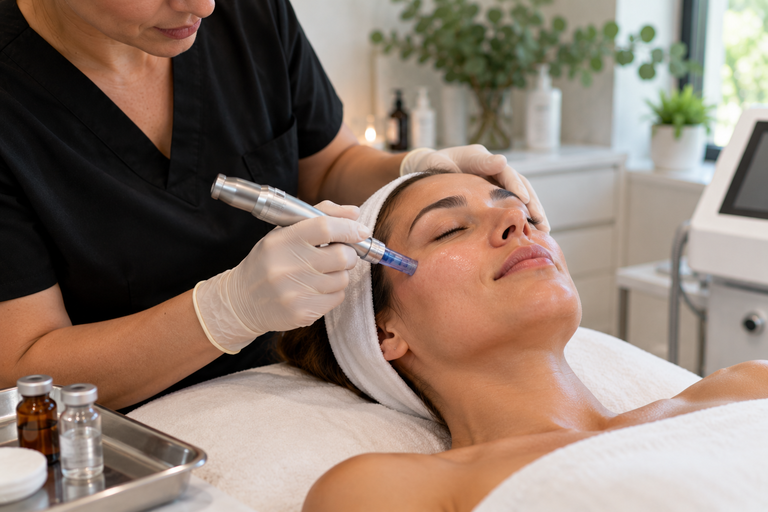
The treatment uses a device with fine, sterile needles to create extremely small, controlled punctures in the skin. This triggers your body's natural wound healing response, which includes producing new collagen and elastin in the treated area.
Growth Factors Amplify That Healing Response
Growth factors are naturally occurring proteins that signal cells to repair and regenerate. When applied during microneedling, while the skin's surface is temporarily more receptive, they can enhance and accelerate the collagen rebuilding process compared to microneedling on its own.
Together, They Target Texture at the Source
Rather than just addressing the surface, this combination works in the deeper layers where acne scarring and collagen breakdown actually occur, which is why results tend to look like genuine texture change rather than temporary glow.
What Concerns Does This Treatment Actually Address?
Acne Scars and Post-Breakout Texture
This is one of the more well suited concerns for growth factor microneedling, particularly for shallow to moderate depressed scarring where the goal is smoothing and blending rather than dramatic resurfacing.
Enlarged Pores and Uneven Surface
As collagen support improves around pores, they often appear smaller and less noticeable, since much of what makes pores look enlarged is the surrounding skin's laxity rather than the pore itself.
Sun Damaged, Rough Textured Skin
For skin that feels bumpy or looks dull from years of sun exposure, stimulating fresh collagen can noticeably improve smoothness and how skin reflects light.
Fine Lines From Early Collagen Loss
While not a replacement for injectables when it comes to deeper wrinkles, this treatment can soften the appearance of finer lines caused by early collagen decline.
What Should You Expect During and After Treatment?
Most sessions take under an hour, and numbing is applied beforehand to keep discomfort minimal. Afterward, skin typically looks flushed or mildly swollen for a day or two, similar to a sunburn, with some light flaking possible as the skin renews itself over the following week. Results build gradually rather than appearing overnight, since the improvement depends on your body's own collagen production over the following weeks.
Most people see initial improvement within a few weeks, with fuller results developing over one to three months. A series of treatments, often spaced four to six weeks apart, tends to produce more noticeable results for scarring specifically than a single session.
Are You a Good Candidate for This Treatment?
Good candidates generally have realistic expectations about gradual improvement rather than instant transformation, and are dealing with texture concerns like scarring, sun damage, or early fine lines rather than deep folds or significant volume loss, which respond better to injectables. It's also worth discussing with your provider if you have active acne breakouts, certain skin conditions, or are prone to keloid scarring, since these can affect whether and how the treatment is approached.
How Amani MedSpa Approaches Microneedling With Growth Factor
At our St. Petersburg location, our microneedling with growth factor treatment is customized based on what's actually driving your texture concern, whether that's longstanding acne scarring, years of sun exposure, or early signs of collagen loss. We also offer microneedling with peptides as an alternative approach depending on your skin's specific needs.
If acne scarring is your primary concern, our acne and acne scars concern page walks through how this fits into a broader treatment plan, and our pigmentation and sun damage page covers related texture and tone issues that often show up together.
How Does This Compare to Other Skin Resurfacing Options?
Microneedling with growth factor tends to involve less downtime than more aggressive resurfacing treatments while still addressing deeper skin layers, which makes it a common middle ground for people who want real improvement without an extended recovery period. For milder surface concerns like dullness or minor texture, a HydraFacial may be a gentler starting point, and your provider can help determine which makes more sense based on the depth of your specific concern.
How Should You Prepare for a Session?
Preparation is fairly simple, but it matters. Avoiding sun exposure, retinoids, and any exfoliating treatments for a few days beforehand helps reduce sensitivity during the procedure. Coming in with clean skin, free of makeup, also allows the numbing cream to work more evenly. After treatment, sun protection becomes especially important, since new skin is temporarily more vulnerable to pigmentation changes, which matters quite a bit given how much direct sun exposure is part of everyday life in St. Petersburg.
Ready to Actually Address What's Under the Surface?
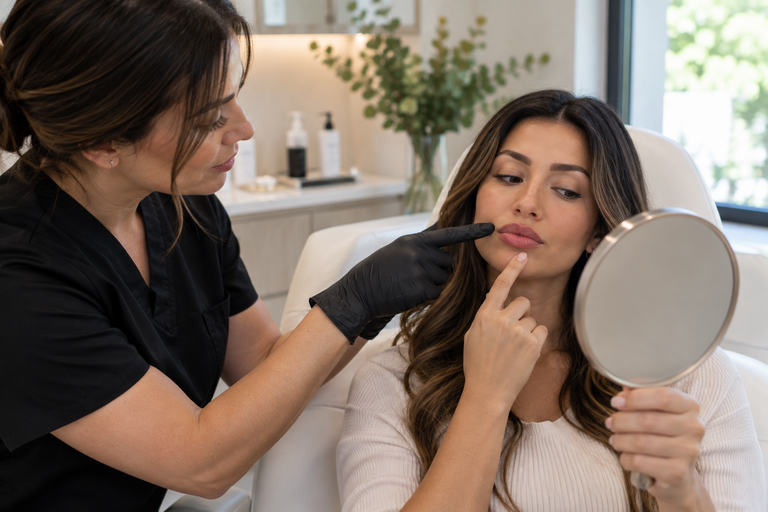
If you've been layering products on top of a concern that lives beneath the skin, it's worth having a conversation about what's realistically achievable with a treatment built for that depth. You can book a consultation to talk through your specific texture concerns and whether growth factor microneedling makes sense for you.
Your Skin Called, It Wants a Rebuild, Not Another Serum
Acne scars and years of sun exposure don't respond to surface level fixes because they never lived on the surface to begin with. Microneedling with growth factor works because it meets your skin at the depth where the actual damage happened, giving your body the signal and the support it needs to rebuild collagen where it's missing. It's not an overnight fix, but it's one of the more genuinely effective options for texture concerns that have outlasted every product you've tried.
This guide was updated in August 2026 to reflect current microneedling protocols used in St. Petersburg, Florida.
Frequently Asked Questions
How many sessions of microneedling with growth factor will I need? Most people see the best results from a series of three to six sessions spaced about four to six weeks apart, though this depends on the severity of your scarring or texture concern.
Is microneedling with growth factor painful? Numbing cream is applied before treatment, so most people describe the sensation as mild pressure or light scratching rather than significant pain.
How long is the downtime after treatment? Expect redness similar to a mild sunburn for one to two days, with some light flaking possible over the following week as skin renews.
Can this treatment help with old acne scars, or only recent ones? It can help with both, though older, deeper scars may require more sessions to see meaningful improvement compared to more recent, shallower scarring.
Is microneedling with growth factor safe for all skin tones? Yes, it's generally considered safe across skin tones since it doesn't rely on heat or light based technology that can carry higher risk of pigmentation changes in darker skin.