What Does a Facial Aging Timeline Actually Look Like, Decade by Decade?
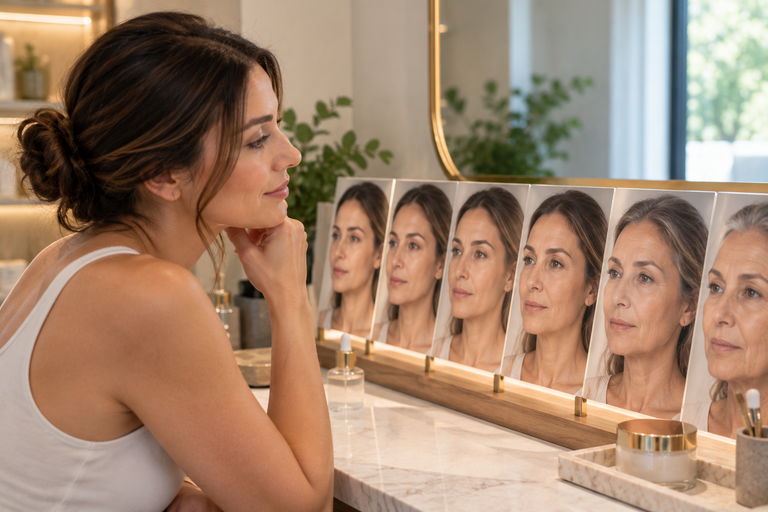
Most people do not notice facial aging as one dramatic shift. It shows up gradually, a little less bounce in your twenties, a faint line that stays after you stop smiling in your thirties, a hollow under the cheekbone that was not there before in your forties. Because it happens slowly, it can be hard to know what is actually changing under the surface, or what, if anything, is worth doing about it at each stage.
That is the idea behind understanding your facial aging timeline. Rather than reacting to changes after they have already become noticeable, it helps to understand what is happening beneath the skin at each decade of life, so you can make informed choices about prevention and treatment along the way. At Amani MedSpa in St. Petersburg, Florida, this is one of the most common conversations we have with patients, and it is also why we now offer a tool that lets you see your own facial aging trajectory before deciding on a treatment plan. This guide was updated in September 2026 with our current approach to aging focused consultations.
What Actually Causes Facial Aging?
Facial aging is driven by a combination of factors working together over time.
Collagen and elastin decline. Collagen production begins slowing in the mid to late twenties, continuing at a steady rate afterward. Since collagen and elastin are what keep skin firm and bouncy, their gradual decline is the foundation of most visible aging changes.
Volume loss. Fat pads in the face shift and diminish with age, particularly in the cheeks and temples, which changes the underlying structure that skin rests on.
Repetitive muscle movement. Expressions like squinting, smiling, and frowning create dynamic lines that, over years of repetition, can become etched into the skin even at rest.
Sun exposure. For anyone living in St. Petersburg, Florida, near constant sun exposure accelerates collagen breakdown and contributes significantly to fine lines, pigmentation, and uneven texture over time.
Bone density changes. Facial bone structure subtly remodels with age, which can affect how skin and soft tissue sit on the face, particularly around the jawline and eye area.
What Does Skin Aging Look Like by Decade?
Your 20s: Prevention Sets the Foundation
Skin is typically at its most resilient during this decade, but collagen production has already begun its gradual decline. This is the stage where sun protection, consistent skincare, and preventive treatments like HydraFacial make the biggest long term difference, since maintaining skin health now reduces how much correction is needed later.
Your 30s: Fine Lines and Early Volume Changes
Fine lines around the eyes and forehead may begin appearing, especially with repeated expression. Skin may also start looking slightly less plump. This is often when patients first explore wrinkle relaxers like Botox or Dysport to soften dynamic lines before they become etched in, along with dermal fillers for subtle, early volume support.
Your 40s: Volume Loss Becomes More Noticeable
Cheek and temple volume loss tends to become more apparent during this decade, along with more visible static lines that remain even when the face is at rest. This is often when patients begin considering Sculptra, a collagen stimulating treatment designed to gradually restore facial volume rather than simply filling a specific line or wrinkle.
Your 50s and Beyond: Structural Support and Skin Quality
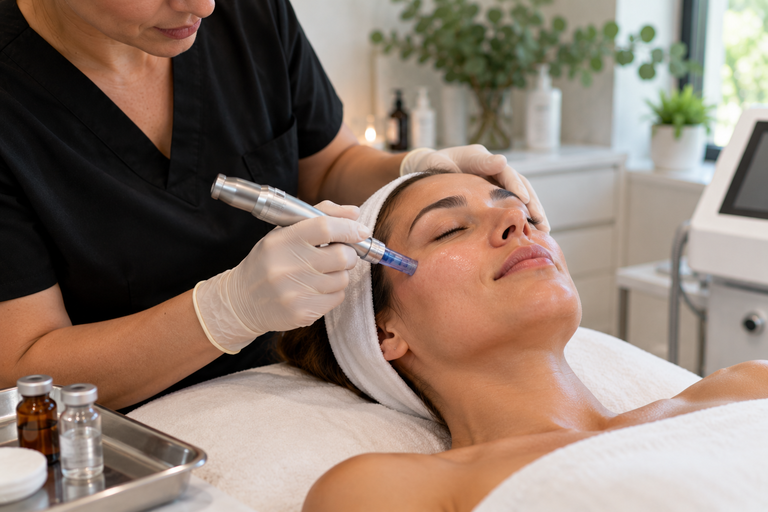
Skin laxity, deeper static lines, and continued volume changes are common in this stage, often alongside changes in skin texture and tone from decades of cumulative sun exposure. A combination approach, often involving Sculptra for structural volume, dermal fillers for targeted areas, wrinkle relaxers for dynamic lines, and microneedling with growth factor for skin quality, tends to produce the most balanced, natural looking results at this stage.
Do You Have to Wait Until You See Changes to Start Planning?
Not necessarily, and this is actually one of the more useful shifts in how aging can be approached. Instead of waiting for volume loss or deeper lines to become visible before deciding what to do, patients can now get a personalized look at their own facial aging trajectory in advance.
This is exactly what Ageless AI from Amani MedSpa is designed for. Using advanced facial analysis, Ageless AI helps map out how your face may change over time based on your current structure and skin quality, giving you a clearer picture of your own facial aging timeline rather than relying on generalized decade by decade averages. It also allows you to visualize how proactive treatment, whether that is wrinkle relaxers now or Sculptra down the road, may influence that trajectory before you commit to anything.
You can try the complimentary Ageless AI pre scan directly through Amani MedSpa. Many patients use it as a starting point for their consultation, since it gives our team a more personalized foundation for recommending a treatment plan that fits your actual skin and facial structure, rather than a generic checklist based on age alone.
How Do You Know Which Treatment Fits Your Stage of Aging?
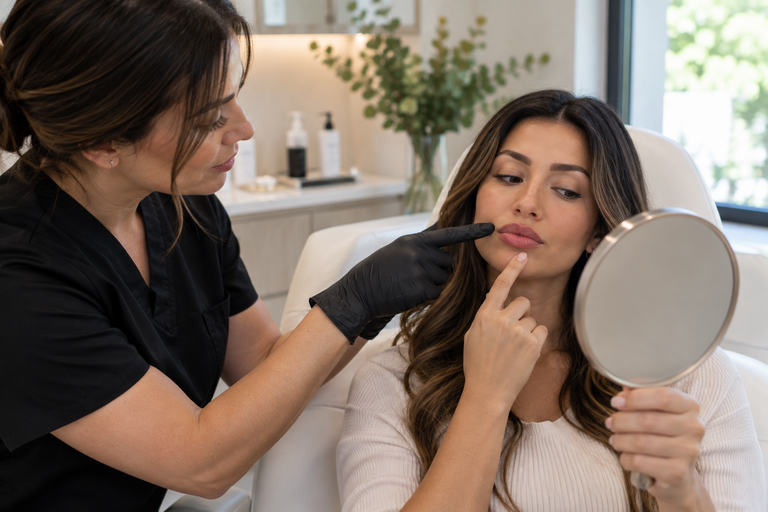
The honest answer is that it depends less on your exact age and more on what your skin and facial structure are actually showing. Two people in their forties can have very different concerns, one dealing primarily with dynamic wrinkles, the other with volume loss, so a personalized consultation matters more than following a strict age based checklist. Our team evaluates skin quality, volume distribution, and movement patterns during every consultation to build a plan that matches where you actually are, not just how old you are.
Frequently Asked Questions
At what age should I start thinking about preventive treatment? There is no single correct age, but many patients begin exploring preventive options like wrinkle relaxers or skin quality treatments in their late twenties to thirties, once early signs of collagen decline start to appear.
Can Sculptra reverse volume loss that has already happened? Sculptra works by gradually stimulating your body's own collagen production, which helps restore facial volume over a period of months rather than providing immediate correction. It tends to work especially well for patients dealing with more advanced volume loss.
Does sun exposure really make that much of a difference for facial aging? Yes. Sun exposure is one of the largest contributors to premature collagen breakdown, fine lines, and pigmentation, which is particularly relevant for anyone living in a sun heavy climate like St. Petersburg, Florida.
How accurate is a facial aging analysis like Ageless AI? Facial analysis tools like Ageless AI use your current facial structure and skin characteristics to project a personalized trajectory, giving a more individualized reference point than generic aging timelines, though a full evaluation with a licensed provider is always the best way to build an actual treatment plan.
Your Face Has a Story to Tell. Might As Well Read Ahead.
Understanding your facial aging timeline is not about fighting the natural process, it is about making informed decisions along the way rather than reacting once changes are already well established. Whether you are just starting to notice early lines or you are ready to talk about restoring volume that has changed over the years, the team at Amani MedSpa in St. Petersburg, Florida can help you build a plan based on your actual skin, not just your birthday. Book a consultation to get started, or explore our full list of aesthetic concerns we treat to see where your priorities might fit in.